



inicio
IFrame
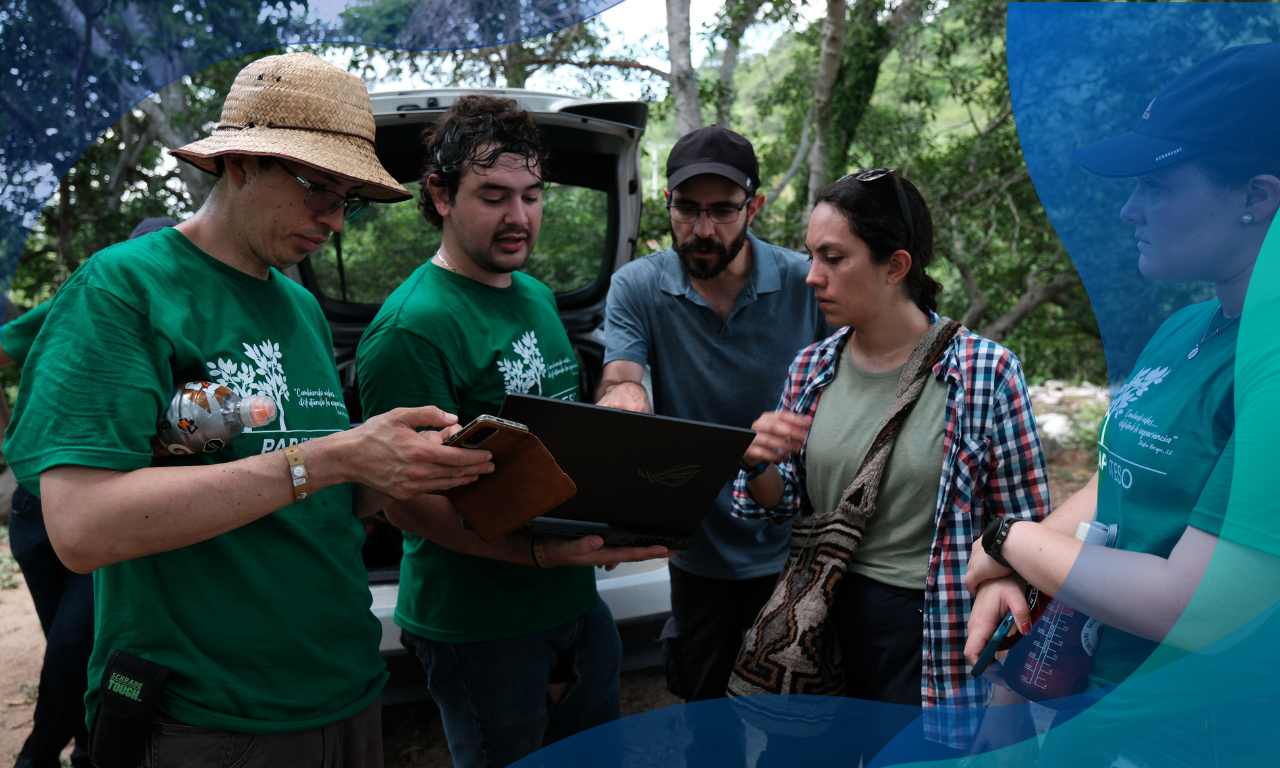
El Centro coordina el trabajo interdepartamental de los Proyectos de Aplicación Profesional (PAP) y la formación vinculada que articula las tres funciones sustantivas de la universidad: investigación, docencia y vinculación. Las investigaciones y proyectos que realiza se orientan a la construcción y difusión de alternativas a las desigualdades de la sociedad actual.
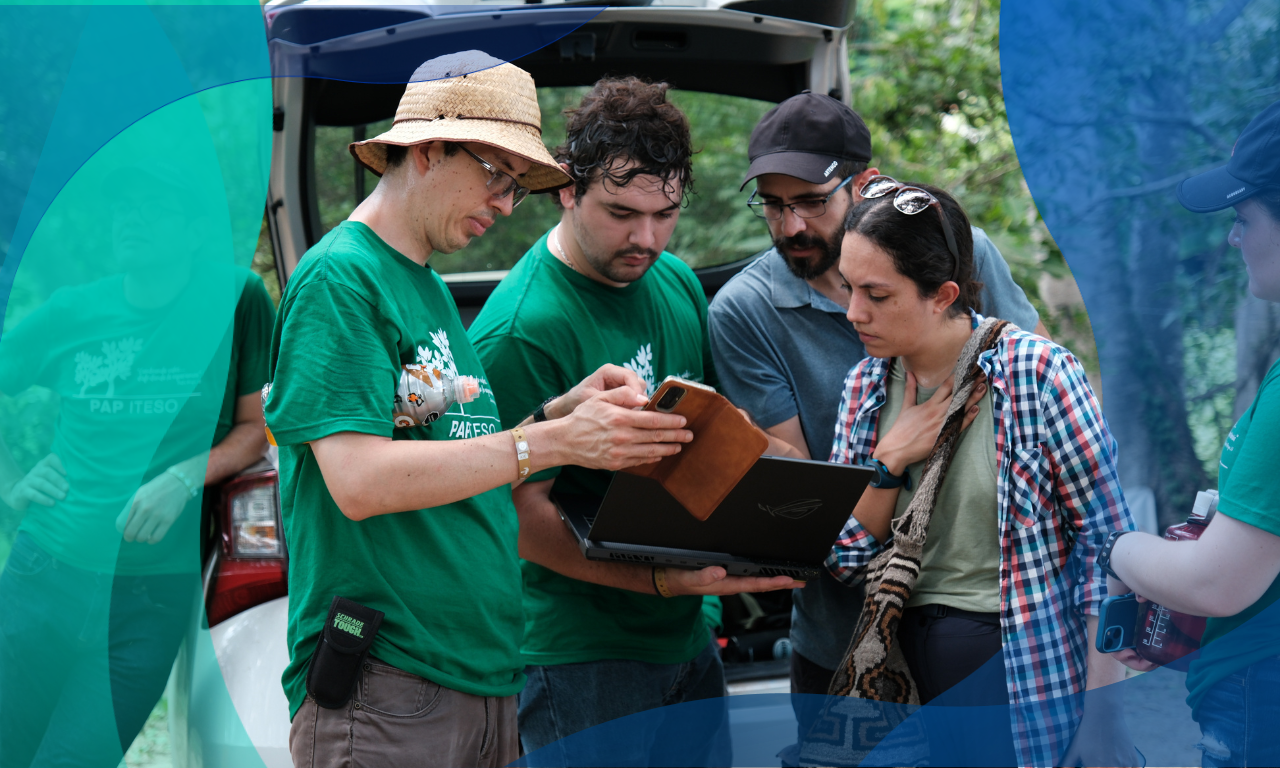
INVESTIGACION_CIFOVIS_BL5
What are Research Programs (RPs)?
They organize the networks of problems that the university investigates, grouping common interests of researchers.
Research Programs (RPs) are organizational structures attached to a department or center, which guide and promote research in that or several departments whose substantive task is to generate relevant knowledge, in accordance with the Mission and Fundamental Orientations (OFI) of ITESO.
Currently, ITESO has ten research projects distributed across eleven departments, encompassing 47 lines of inquiry, objects, or problems on which the university conducts research. These projects generate theoretical and practical knowledge in areas such as technological development; sociocultural production; human rights; democracy; human habitat; natural resources; the environment; psycho-socio-cultural processes; socio-educational practices; health; economics; marketing; business development; alternatives to social, environmental, economic, and political inequalities; and social practices that manifest the moral dimension of human life, among others.
Research Projects (RPs) are spaces that allow us to generate and share research across various fields of knowledge, thereby fostering interdisciplinarity and collaborative networks among researchers throughout the university. We aim to promote high-quality research that helps solve the problems we face as a society and enables networking with other universities.
Interdisciplinary Center for Training and Social Engagement and Coordination of Social Impact Programs
Its Research Program (RP) is geared towards generating applicable knowledge for building alternatives to inequalities, primarily in the Central-Western region of Mexico. The objects/problems addressed from an interdisciplinary approach are:
- Environmental inequalities: researching and influencing issues related to sustainability and technology from territorial perspectives, common goods such as water, knowledge and technology, and their impact on society.
- Social inequalities: research to address issues of identity and inclusion, considering problems of gender, human mobility and forced displacement, ethnicity and interculturality, and generational issues.
- Economic inequalities: researching and advocating for alternatives based on solidarity economy and decent work. Access to financing and value chains perpetuate the capitalist and developmentalist model, resulting in an unfair market and poor and difficult opportunities for advancement.
- Political inequalities: investigating and addressing problems of justice and democracy, impunity, authoritarianism, the state as manager of de facto powers, organized crime, and fragmentation of the social fabric.
The CIFOVIS-COINCIDE Research Program operates through Articulating Nodes, a flexible organizational structure designed to link diverse university efforts and contribute collectively to both the production of relevant knowledge and the resolution of regional problems. In this way, research becomes an activity interwoven with teaching, professional application projects (PAP), undergraduate theses (TOG), community engagement, social training, science communication, and outreach. We currently have one active articulating node:
- Water for life
Program Coordinator:
Dr. Marinés De la Peña Domene
marinespd@iteso.mx
-
Mtra. Rebeca Acevez Muñoz
rebeca.acevez@iteso.mx -
Dra. Marinés De la Peña Domene (SNII Nivel II)
marinespd@iteso.mx -
Dr. Jorge Federico Eufracio (SNII Nivel I)
jorgeeufracio@iteso.mx -
Dr. Mario Edgar López Ramírez (SNII Candidato)
mariol@iteso.mx -
Dra. Natalia Mesa Sierra (SNII Candidato)
natalia.mesa@iteso.mx -
Dr. Heliodoro Ochoa García (SNII Candidato)
hochoa@iteso.mx -
Dr. Rodrigo Rodríguez Guerrero
rodrigorodriguez@iteso.mx -
Dra. Daniela Mabel Gloss Núñez
mabelgloss@iteso.mx -
Mtro. Gregorio Leal Martínez
goyoleal@iteso.mx -
Mtra. Iliana Martínez Hernández Mejía
ilianamtz@iteso.mx
INVESTIGACIÓN
What are Research Programs (RPs)?
They organize the networks of problems that the university investigates, grouping common interests of researchers.
Research Programs (RPs) are organizational structures attached to a department or center, which guide and promote research in that or several departments whose substantive task is to generate relevant knowledge, in accordance with the Mission and Fundamental Orientations (OFI) of ITESO.
Currently, ITESO has ten research projects distributed across eleven departments, encompassing 47 lines of inquiry, objects, or problems on which the university conducts research. These projects generate theoretical and practical knowledge in areas such as technological development; sociocultural production; human rights; democracy; human habitat; natural resources; the environment; psycho-socio-cultural processes; socio-educational practices; health; economics; marketing; business development; alternatives to social, environmental, economic, and political inequalities; and social practices that manifest the moral dimension of human life, among others.
Research Projects (RPs) are spaces that allow us to generate and share research across various fields of knowledge, thereby fostering interdisciplinarity and collaborative networks among researchers throughout the university. We aim to promote high-quality research that helps solve the problems we face as a society and enables networking with other universities.
Interdisciplinary Center for Training and Social Engagement and Coordination of Social Impact Programs
Its Research Program (RP) is geared towards generating applicable knowledge for building alternatives to inequalities, primarily in the Central-Western region of Mexico. The objects/problems addressed from an interdisciplinary approach are:
- Environmental inequalities: researching and influencing issues related to sustainability and technology from territorial perspectives, common goods such as water, knowledge and technology, and their impact on society.
- Social inequalities: research to address issues of identity and inclusion, considering problems of gender, human mobility and forced displacement, ethnicity and interculturality, and generational issues.
- Economic inequalities: researching and advocating for alternatives based on solidarity economy and decent work. Access to financing and value chains perpetuate the capitalist and developmentalist model, resulting in an unfair market and poor and difficult opportunities for advancement.
- Political inequalities: investigating and addressing problems of justice and democracy, impunity, authoritarianism, the state as manager of de facto powers, organized crime, and fragmentation of the social fabric.
The CIFOVIS-COINCIDE Research Program operates through Articulating Nodes, a flexible organizational structure designed to link diverse university efforts and contribute collectively to both the production of relevant knowledge and the resolution of regional problems. In this way, research becomes an activity interwoven with teaching, professional application projects (PAP), undergraduate theses (TOG), community engagement, social training, science communication, and outreach. We currently have one active articulating node:
- Water for life
Program Coordinator:
Dr. Marinés De la Peña Domene
marinespd@iteso.mx
-
Mtra. Rebeca Acevez Muñoz
rebeca.acevez@iteso.mx -
Dra. Marinés De la Peña Domene (SNII Nivel II)
marinespd@iteso.mx -
Dr. Jorge Federico Eufracio (SNII Nivel I)
jorgeeufracio@iteso.mx -
Dr. Mario Edgar López Ramírez (SNII Candidato)
mariol@iteso.mx -
Dra. Natalia Mesa Sierra (SNII Candidato)
natalia.mesa@iteso.mx -
Dr. Heliodoro Ochoa García (SNII Candidato)
hochoa@iteso.mx -
Dr. Rodrigo Rodríguez Guerrero
rodrigorodriguez@iteso.mx -
Dra. Daniela Mabel Gloss Núñez
mabelgloss@iteso.mx -
Mtro. Gregorio Leal Martínez
goyoleal@iteso.mx -
Mtra. Iliana Martínez Hernández Mejía
ilianamtz@iteso.mx

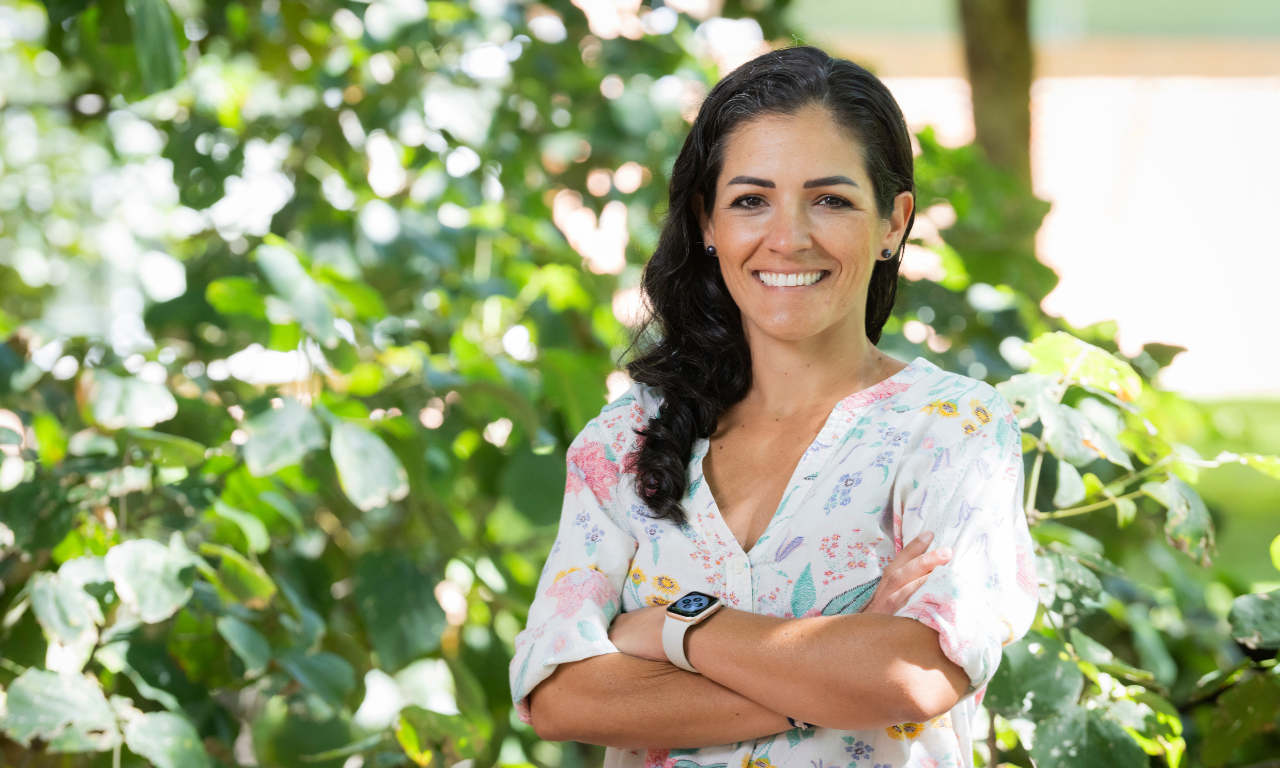
Mtra. Rebeca Acevez Muñoz